
Блог
В современных лабораториях точный контроль температуры является основным требованием воспроизводимых экспериментов. Одним из наиболее важных и полезных инструментов в этом случае является термостат с водяной баней, обеспечивающий стабильный нагрев и охлаждение при деликатных биологических и химических процессах. Эти устройства используются в различных местах, например, в исследовательских институтах, фармацевтических компаниях или больничных лабораториях за рубежом, где они создают единые условия, исключающие изменчивость и улучшающие качество данных.
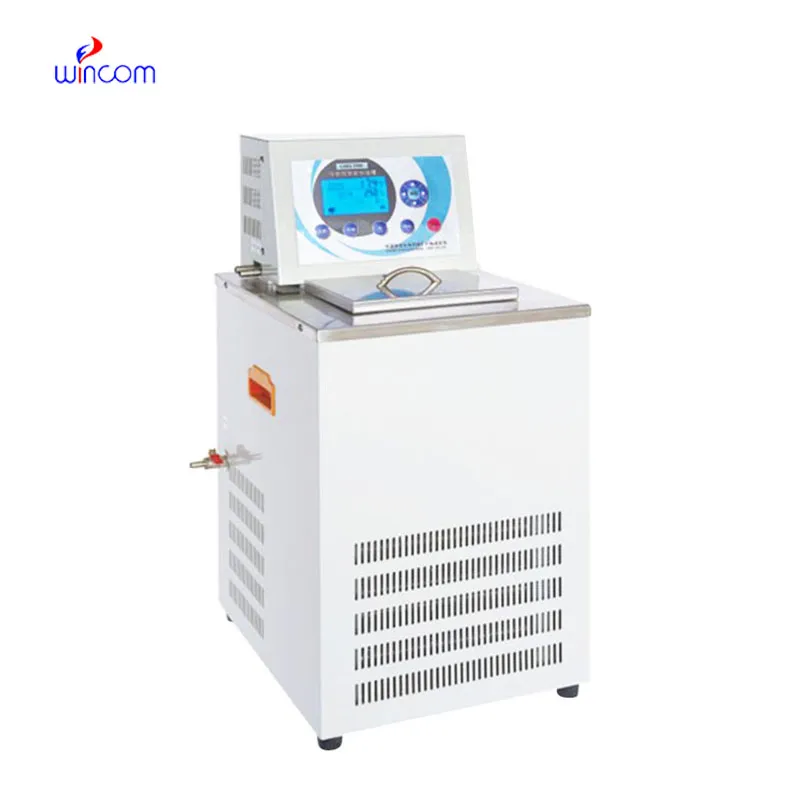
Возьмите Низкотемпературный термостат Wincom LWB-C6 с водяной баней Например, компактная электростанция с диапазоном температур от -5°C до 100°C, расходом насоса 6 л/мин и рабочей камерой 26×20×14 см. Созданный для повышения эффективности, он поддерживает быструю циркуляцию и бесшумную работу, что делает его идеальным для высокопроизводительных рабочих процессов.
В этой статье рассматриваются пять распространенных применений водяной бани в молекулярной биологии и химии. Каждый из них подчеркивает практическое применение, подкрепленное реальными преимуществами, и демонстрирует, почему инвестиции в надежный термостат с водяной баней, такой как LWB-C6, способствуют инновациям.
Полимеразная цепная реакция (ПЦР) основана на циклических изменениях температуры для амплификации ДНК, при этом инкубация на водяной бане играет ключевую роль на стадиях денатурации (обычно 95°C) и отжига (50-60°C). Традиционные термоциклеры справляются с циклическими циклами, но водяные бани с термостатом превосходно подходят для удержания образцов при точных температурах после амплификации или для альтернативных протоколов, таких как реакции лигирования.
Чтобы обеспечить постоянный нагрев во всех пробирках для ПЦР и предотвратить образование горячих точек, которые могут разрушить праймеры или ферменты, исследователи помещают пробирки для ПЦР в ванну. LWB-C6 превосходно работает в этой ситуации благодаря своей способности работать при минусовых температурах. Это обеспечивает плавный переход между фазами охлаждения и нагрева без использования внешних пакетов со льдом. Мощный насос поддерживает равномерную температуру, что очень важно для количественной ПЦР в диагностических работах.
В лабораториях молекулярной биологии по всему миру эта установка с водяной баней сокращает время установки на 20–30 % по сравнению с временными методами. Больницы используют его для быстрого обнаружения патогенов, где последовательность напрямую влияет на результаты лечения пациентов. Для масштабирования лабораторий надежность LWB-C6 позволяет использовать его в непрерывном режиме.
В молекулярной биологии существует множество различных реакций, которые происходят с помощью ферментов, таких как рестриктазы, киназные анализы и т. д. Однако эти реакции очень чувствительны к температуре и требуют определенных температур для каждого случая (37 ° C для систем млекопитающих и 55 ° C для термостабильных вариантов). Водяная баня с термостатом обеспечивает изотермическую среду, необходимую для кинетических исследований, где даже колебания на 0,5°C изменяют скорость реакции.
Поместите микроцентрифужные пробирки или многолуночные штативы в ванну, и циркулирующая вода обеспечит условия без градиента. Ярким примером этого является скорость потока Wincom LWB-C6 6 л/мин, равномерно распределяющая тепло по всей его компактной камере, что идеально подходит для больничных биохимических лабораторий с ограниченным пространством.
Это применение водяной бани оказывается неоценимым в белковой инженерии, где фармацевтические команды оптимизируют выходы для разработки лекарств. Опыт показывает, что он сводит к минимуму денатурацию ферментов, повышая эффективность до 15%. Покупатели со всего мира ценят его тихий компрессор для помещений общего пользования.
Для объединения методов гибридизации, включая Саузерн- и Нозерн-блоттинг, необходимо инкубировать зонды с мишенями при температуре 42-65°C для специфического связывания, а также для плавления несовпадений. Погружение в водяную баню обеспечивает превосходную однородность по сравнению с воздушными инкубаторами, предотвращая проблемы с конденсацией и обеспечивая проникновение зонда.
Погрузите мембраны в запечатанные пакеты в ванну, контролируя их с помощью цифрового управления. LWB-C6 'Широкий диапазон позволяет выполнять промывку в условиях окружающей среды или ниже, оптимизируя рабочие процессы в исследованиях в области геномики.
Для таких вопросов химии, как отбор аптамеров, этот термостат с водяной баней ускоряет открытия. Биотехнологические компании сообщают о меньшем количестве неспецифических сигналов, уточняя данные микрочипов. Его глубина 14 см легко помещается в стандартные стойки и подходит для лабораторий международных больниц, обрабатывающих клинические образцы.
Замороженные аликвоты клеток, реагентов или нуклеиновых кислот требуют контролируемого оттаивания для сохранения жизнеспособности — часто при хранении при температуре от -20°C до 4–25°C. Водяные бани с термостатом и охлаждением выходят за рамки оттаивания при комнатной температуре, достигая точных низких точек, таких как 0°C, без шокового воздействия на образцы.
Плавайте криопробирки в ванне, используя циркуляцию, чтобы равномерно растопить лед и избежать растрескивания. Минимальная температура LWB-C6 -5°C делает его идеальным выбором для криоконсервированных клеточных линий в культуре тканей, что жизненно важно для исследований стволовых клеток.
Это применение водяной бани сокращает время восстановления вдвое по сравнению с ручными методами, что имеет решающее значение для срочных больничных рабочих процессов, таких как приготовление сыворотки крови. Химические лаборатории используют его для восстановления реагентов, обеспечивая стабильность.
Органический синтез в химических лабораториях часто требует поддержания температуры (80–100°C) для таких реакций, как этерификация или равновесие растворимости, где установки с водяной баней обеспечивают более безопасную и точную альтернативу масляным баням.
Поместите реакционные сосуды в ванну для плавного рефлюкса, при этом LWB-C6 'Высокий поток предотвращает локальное кипение. Его потолок с температурой 100°C позволяет выполнять сложные протоколы и быстро охлаждается для закалки.
Пересекаясь с молекулярной биологией, это поддерживает синтез гликанов для разработки вакцин. Лаборатории отмечают увеличение урожайности на 10-20% благодаря стабильности. Его компактный размер позволяет экономить место на рабочем столе, что позволяет использовать его в фармацевтических и университетских учреждениях по всему миру.
Выбор правильного термостата с водяной баней означает приоритетное внимание к таким характеристикам, как диапазон LWB-C6 -5 ~ 100 ° C, циркуляция 6 л / мин и коррозионностойкая конструкция. Он превосходит базовые модели по точности при низких температурах и энергоэффективности и идеально подходит для круглосуточной работы в исследовательских или клинических условиях.
Являясь ведущим экспортером, Wincom обеспечивает сертификацию CE/ISO, конкурентоспособные цены и быструю доставку в лаборатории в Европе, Северной Америке и за ее пределами. Свяжитесь с нами для получения расценок или настройки. Оснастите свое предприятие проверенной технологией водяной бани — задайте вопрос сегодня.
Таким образом, эти применения в водяной бане подчеркивают универсальность устройства в развитии молекулярной биологии и химии. От ПЦР к синтезу LWB-C6 обеспечивает надежность, которой доверяют лаборатории.
[Свяжитесь с нами, чтобы получить лучшую цену LWB-CG]
Он поддерживает точные температуры для ПЦР, ферментных анализов и гибридизации, обеспечивая равномерное нагревание/охлаждение, необходимое для воспроизводимости результатов.
Благодаря диапазону температур от -5°C до 100°C и насосу производительностью 6 л/мин он превосходно справляется с изотермическими реакциями и оттаиванием, обеспечивая стабильность рабочих процессов синтеза.
Не полностью, но дополняется выдерживанием температур после цикла или для нециклических протоколов, таких как отжиг.
Его компактный размер, бесшумная работа и экспортные сертификаты идеально подходят для ограниченного пространства и соответствуют требованиям.
Используйте дистиллированную воду, регулярно проводите калибровку и используйте модели с высоким расходом, такие как LWB-C6, для равномерного распределения.
Электронная почта: [email protected]
Тел: +86-731-84176622
+86-731-84136655
Адрес: Rm.1507, Xinsancheng Plaza. № 58, Жэньминь-Роуд (E), Чанша, Хунань, Китай


 EN
EN
 af
af
 es
es
 ar
ar
 tr
tr
 sw
sw
 pt
pt
 th
th
 ur
ur
 bn
bn
 ne
ne
 vi
vi
 km
km
 lo
lo
 de
de
 ru
ru
 fi
fi
 nl
nl
 fa
fa
 fr
fr
 ko
ko