anesthesia machines is an essential healthcare apparatus in medical facilities, which supports the safe delivery of anesthetic gas and patient ventilation at the same time. Its alert systems give immediate information about oxygen levels, breathing, and airway pressures, thus ensuring the anesthesiologists' control over sedation stability. The device is used in surgery rooms, casualty departments, and laboratory-based clinical research for the purpose of precise anesthesia administration. The combination of vaporizers, flow meters, and alarms guarantees both safety and flexibility. anesthesia machines support faster procedures, ease the monitoring process, and minimize the chance of complications happening during both ordinary and intricate clinical interventions.
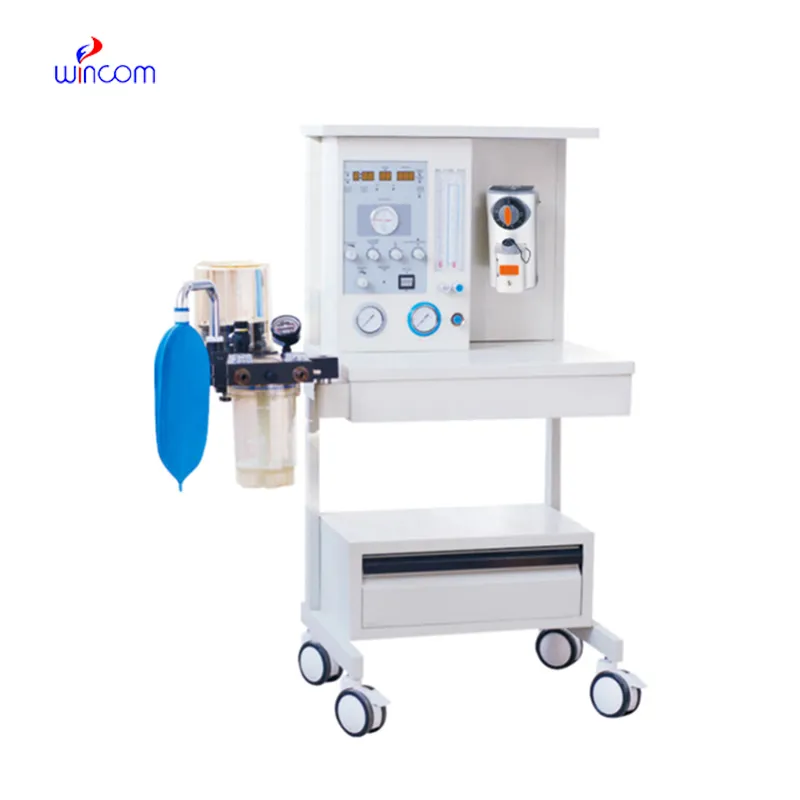
anesthesia machines is a commonly used device in hospital operation theaters that supports both general and regional anesthesia during surgeries. It provides a mixture of oxygen and anesthetic chemicals in a controlled way and at the same time, the patient ventilation is assisted or completely managed. Surgeons and anesthesiologists depend on its steady performance to keep the anesthesia depth constant through long surgeries. The machine is also utilized in less invasive surgeries, where exact respiratory control is a must to steer clear of difficulties. By enabling constant monitoring and gas regulation, anesthesia machines is an important factor in the patient being stable in the sophisticated hospital setting.
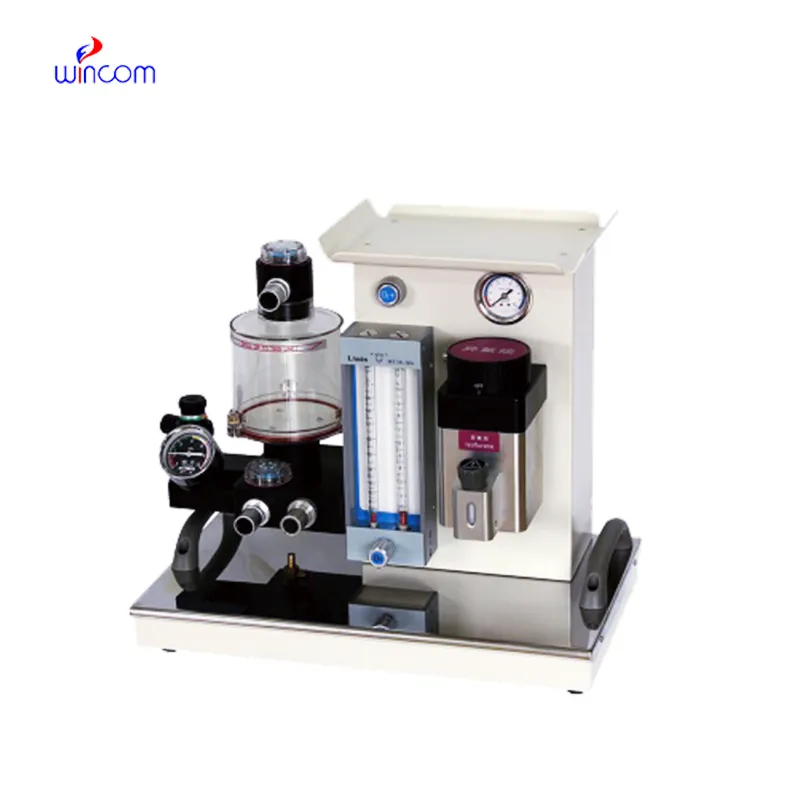
Further development of anesthesia machines is likely to incorporate state-of-the-art alarm and detection systems which will make patient safety the top priority. More sensitive sensors might even manage to detect minute variations in airway pressure, oxygen supply, or even respiratory patterns. Hospitals might get the advantage of getting the alerts earlier and managing the risks better. This development leads to safer administration of anesthesia in high-risk surgeries and also the critical care areas. So, with the passage of time, anesthesia machineswill surely become more protective of the patients via technology.
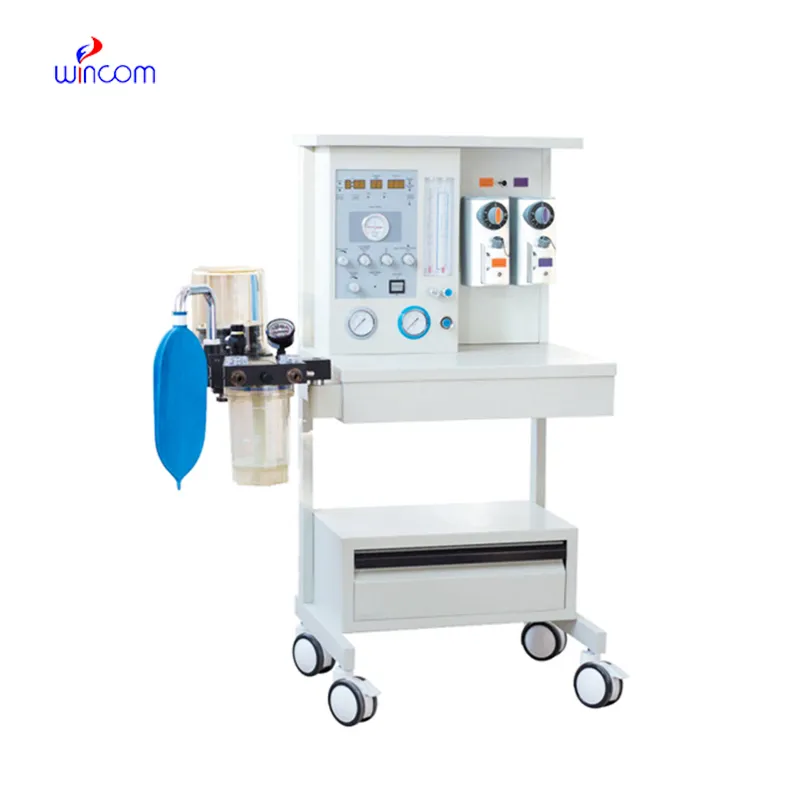
anesthesia machines are the most important things in hospital maintenance and cleaning procedures. The external surfaces need to be disinfected with approved disinfectants to totally avoid the transfer of germs. For example, the internal parts like vaporizers need to be checked regularly to make sure that the residue does not harm the operation. In the labs and operating rooms, highly strict cleanliness rules are applied which are beneficial to both patients and medical personnel. Moreover, proper drying after cleaning saves the equipment from moisture damage. These practices of care and maintenance ensure the safe use and keep the anesthesia machines constant in all the medical departments performance.
In pediatric and neonatal care, anesthesia machines is the equipment that accurately provides the anesthesia adjusted to the small patients. The device's monitoring systems follow the most sensitive patterns of respiration and oxygen level, which give anesthesiologists the opportunity to do precise alterations. The safe and controlled administration of anesthetic gases is very important in these specialized hospital departments. By offering trustworthy monitoring and ventilation, anesthesia machines keeps the patient stable during surgical procedures.
Q: What maintenance personnel service an Anesthesia Machine? A: Mostly bio-med engineers or skilled technicians do the technical maintenance. Q: Can the machine be used for both general and regional anesthesia? A: Yes, it accepts the different anesthesia techniques from the clinician’s perspective. Q: Does the device record anesthesia data? A: Data is stored for reviewing and reporting in some models. Q: How does the machine handle excess anesthetic gases? A: The waste gases are removed from the case through scavenging systems. Q: Is the Anesthesia Machine regulated for hospital use? A: Indeed, it has to follow the medical device standards and regulations.
We’ve been using this mri machine for several months, and the image clarity is excellent. It’s reliable and easy for our team to operate.
The hospital bed is well-designed and very practical. Patients find it comfortable, and nurses appreciate how simple it is to operate.
To protect the privacy of our buyers, only public service email domains like Gmail, Yahoo, and MSN will be displayed. Additionally, only a limited portion of the inquiry content will be shown.
We’re currently sourcing an ultrasound scanner for hospital use. Please send product specification...
We’re interested in your delivery bed for our maternity department. Please send detailed specifica...
E-mail: [email protected]
Tel: +86-731-84176622
+86-731-84136655
Address: Rm.1507,Xinsancheng Plaza. No.58, Renmin Road(E),Changsha,Hunan,China


 EN
EN
 af
af
 es
es
 ar
ar
 tr
tr
 sw
sw
 pt
pt
 th
th
 ur
ur
 bn
bn
 ne
ne
 vi
vi
 km
km
 lo
lo
 de
de
 ru
ru
 fi
fi
 nl
nl
 fa
fa
 fr
fr
 ko
ko