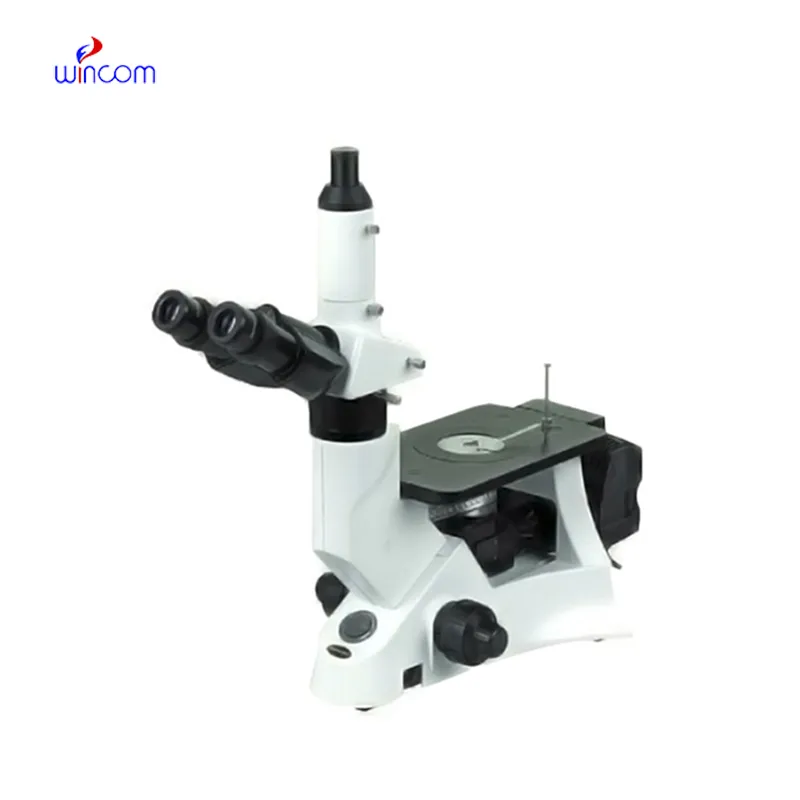
The structure of edta blood collection tubes has been improved to suit both clinical and laboratory applications. Sealing, sterilization, and pre-added substances keep blood samples in their most stable form. Besides, they are used in hospitals for several purposes such as preventing clotting, keeping cellular components alive, and facilitating accurate diagnostic tests. The standardization of their sizes and the color-coded caps used for them help in easy identification and also minimize pre-analytical errors. The integration of edta blood collection tubes with laboratory instruments like centrifuges and analyzers results in improved workflow and reliable results. These tubes are indispensable in both hospitals and research laboratories as they help maintain the accuracy and efficiency of the processes.
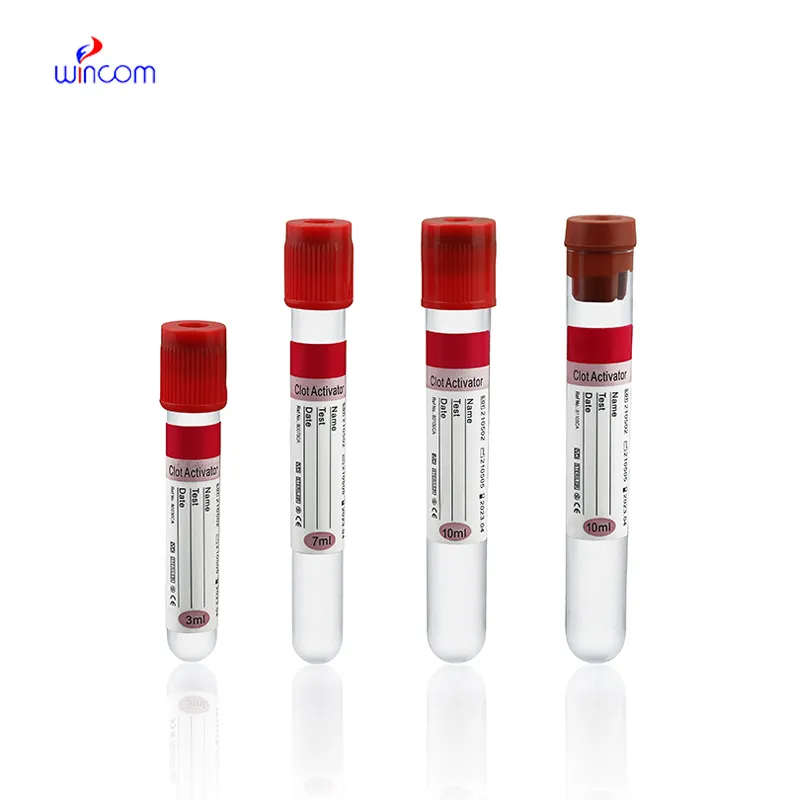
In laboratory diagnostics performed through imaging or during preoperative assessments, edta blood collection tubes are used to obtain blood for biochemical, hematologic, or coagulation analysis. Blood tubes remain intact throughout the process of transportation and testing. Laboratory workers depend on premade additives and fixed volumes to provide accurate and consistent results. Different tube types for particular tests can be easily identified through their colored caps. The use of edta blood collection tubes in preoperative and laboratory processes enables hospitals to handle blood samples quickly and efficiently, guaranteeing reliable results for surgical planning and contributing to patient safety through quick and accurate diagnostics.
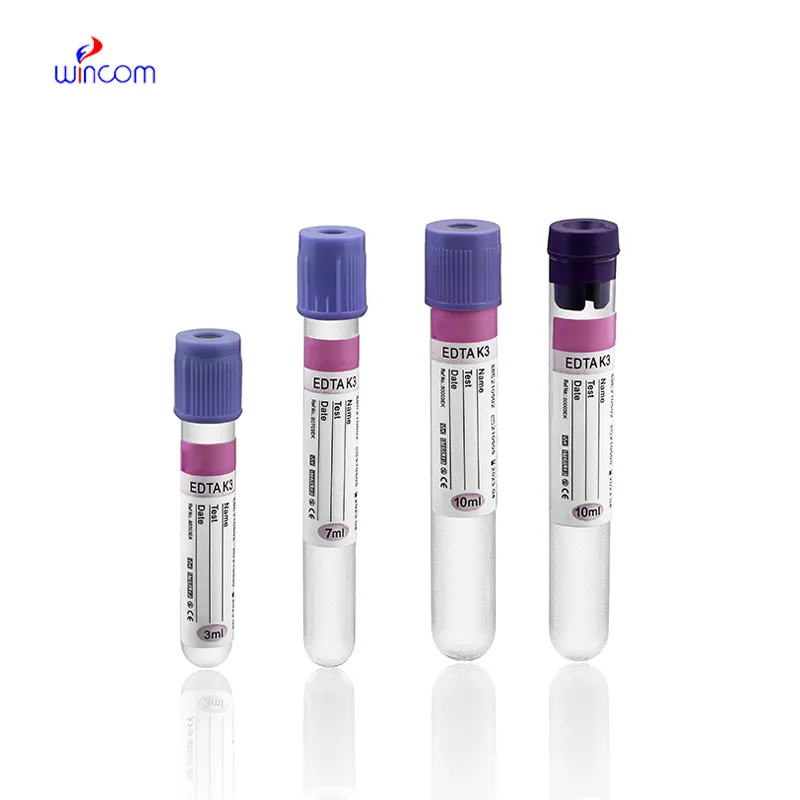
The future of edta blood collection tubes will probably be characterized by the use of high-tech materials that not only improve sample preservation but also have less negative effect on the environment. It is possible that hospitals will switch to using tubes that can be broken down naturally or recycled but still have all the attributes of being sterile and chemically stable. The combination with digital tracking systems might make it possible to monitor the sample's collection, transport, and processing in real-time. These new technologies will support laboratories in their efforts to keep high throughput, provide traceability, and lower pre-analytical errors. Clinical testing requirements are getting more complicated, thus, edta blood collection tubes will change in such a way as to satisfy the dual purpose of sustainability and having the precision, non-variability, and reproducibility of results in both hospital and research settings.

The knowledge and care of edta blood collection tubes involve all that goes along with its proper handling and awareness among the staff. Hospitals usually adopt standard practices such as the proper handling, checking, and discarding of tubes in their operations. Reusing and altering tubes is a very dangerous practice as it affects both sterility and precision. Regular cleaning of storage surfaces is important to eliminate dust build-up. Besides, laboratories might carry out regular inspections to check if the packaging is still unbroken. When the proper care practices are applied consistently, edta blood collection tubes are still dependable instruments for the precise blood draw in both regular testing and specialized diagnostic applications.
edta blood collection tubes enhance clinical diagnostic accuracy by keeping the samples intact throughout the journey from the collection places to the main labs. Their sterile and sealed structure significantly reduces the possibility of contamination and also avoids the spilling of the contents. Specially designed tubes with specific additives for tests necessitating plasma, serum, or whole blood are frequently used in hospitals and research labs. Laboratory workers rely on edta blood collection tubes for consistent results in biochemical assays, immunoassays, and genetic testing. Besides, the tubes’ compatibility with current lab instruments guarantees fast sample processing, which cuts delays and allows to support quality patient care.
Q: What additives are found in Blood Collection Tubes? A: Additives may include anticoagulants, clot activators, or gel separators depending on test requirements. Q: How do Blood Collection Tubes support accurate testing? A: They preserve blood components and prevent degradation during transport and processing. Q: Are Blood Collection Tubes compatible with automated analyzers? A: Yes, most tubes are designed to work with modern laboratory automation systems. Q: Why is proper tube selection important in hospitals? A: Using the correct tube ensures reliable test results and reduces pre-analytical errors. Q: Do Blood Collection Tubes have expiration dates? A: Yes, expiration dates ensure additives remain effective and safe for use.
The microscope delivers incredibly sharp images and precise focusing. It’s perfect for both professional lab work and educational use.
We’ve been using this mri machine for several months, and the image clarity is excellent. It’s reliable and easy for our team to operate.
To protect the privacy of our buyers, only public service email domains like Gmail, Yahoo, and MSN will be displayed. Additionally, only a limited portion of the inquiry content will be shown.
Could you please provide more information about your microscope range? I’d like to know the magnif...
Hello, I’m interested in your water bath for laboratory applications. Can you confirm the temperat...
E-mail: [email protected]
Tel: +86-731-84176622
+86-731-84136655
Address: Rm.1507,Xinsancheng Plaza. No.58, Renmin Road(E),Changsha,Hunan,China


 EN
EN
 af
af
 es
es
 ar
ar
 tr
tr
 sw
sw
 pt
pt
 th
th
 ur
ur
 bn
bn
 ne
ne
 vi
vi
 km
km
 lo
lo
 de
de
 ru
ru
 fi
fi
 nl
nl
 fa
fa
 fr
fr
 ko
ko