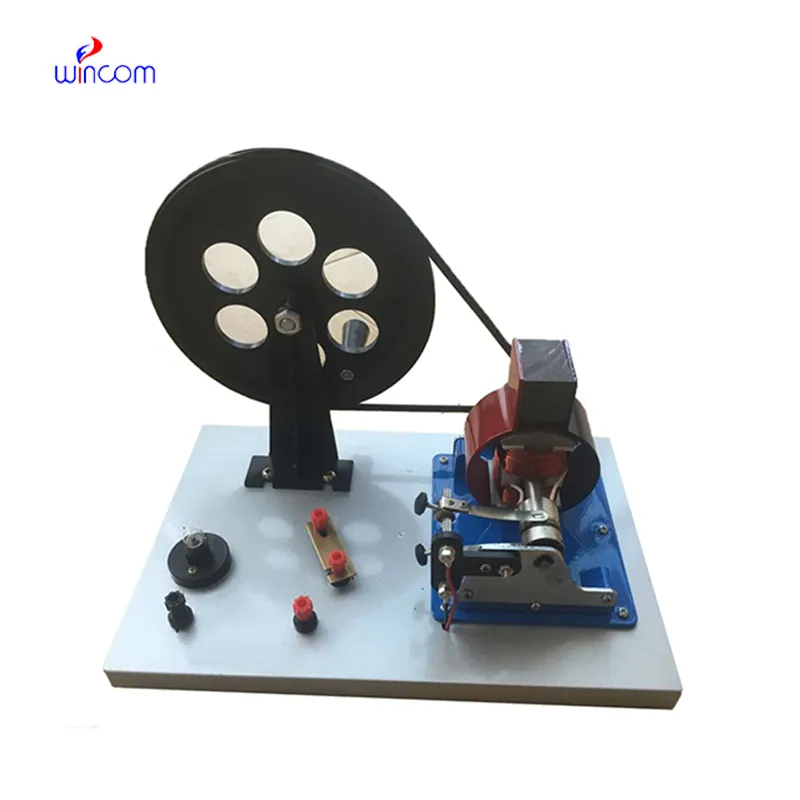
Compact but powerful, the electronic telescope eyepiece distributer delivers advanced control for detailed visual analysis. The precision-designed optical pathway and coated lenses reduce glare and optimize image quality. The adjustable stage accommodates multiple slide sizes, and the light source offers steady brightness for long observation periods. The electronic telescope eyepiece distributer is built for durability with low maintenance and reliable operation in high laboratory throughput. It is ideal for professional and academic applications requiring accurate visual results.

The electronic telescope eyepiece distributer is critical to science and manufacturing advancement. In the medical research arena, the electronic telescope eyepiece distributer aids microscopic blood and tissue testing for accurate diagnostics. Research institutions use the electronic telescope eyepiece distributer in cell culture analysis, detecting bacterial growth, and research on biofilms. Industrial laboratory environments utilize the electronic telescope eyepiece distributer for product quality assurance and surface finishes evaluation. The electronic telescope eyepiece distributer is also applied in environmental science to support monitoring of plankton populations and particles of pollutants, to enhance ecological studies and sustainability science.

In the short term, the electronic telescope eyepiece distributer will be a networked and completely digital platform. Integration with AI-powered recognition systems will make automated cell, material, and organism recognition possible. Cloud storage will allow easier information sharing and archiving. The electronic telescope eyepiece distributer is set to embrace holographic and super-resolution techniques, allowing researchers to see structures at the molecular scale. This technology will open new fields in diagnostics, nanoscience, and education, which will expand the use of microscopic observation across industries.

Users should implement a routine maintenance plan to ensure the electronic telescope eyepiece distributer remain in excellent working condition. Clean all optical parts using a blower or soft brush initially before a thorough cleaning. Do not disassemble the instrument at any time save by qualified individuals. Use light lubricant on moving parts to prevent stiffness and wear. The electronic telescope eyepiece distributer should be kept in a chemical fume and moisture-free environment. Power cables and lighting systems should be checked regularly for signs of premature deterioration or breakdown.
With a electronic telescope eyepiece distributer, human man can explore the microcosm with unprecedented clarity. The instrument magnifies small samples so that exact study can be conducted in laboratories, clinics, and schools. The electronic telescope eyepiece distributer recognizes cell morphology, bacterial cultures, and intricate material surfaces. Although optical and electronic technology has been enhanced, the electronic telescope eyepiece distributer of today's time offers more magnification, image stability, and integration into digital media for efficient data registration and perception.
Q: What are the main parts of a microscope? A: The key components include the eyepiece, objective lenses, stage, focusing knobs, and illumination system, all working together to magnify and clarify specimens. Q: How do you clean the lenses of a microscope? A: Lenses should be cleaned using soft lens paper or microfiber cloth with a small amount of lens cleaner to avoid scratching or damaging optical coatings. Q: What magnification levels can a microscope achieve? A: Depending on the model, a microscope can typically achieve magnifications ranging from 40x to over 1000x for detailed observation of microscopic structures. Q: Why is light adjustment important in a microscope? A: Proper light adjustment ensures accurate contrast and brightness, allowing clear observation without distortion or glare during viewing. Q: Can a microscope be used for educational purposes? A: Yes, microscopes are widely used in classrooms and laboratories to teach students about biology, materials science, and microscopic analysis.
We’ve used this centrifuge for several months now, and it has performed consistently well. The speed control and balance are excellent.
The delivery bed is well-designed and reliable. Our staff finds it simple to operate, and patients feel comfortable using it.
To protect the privacy of our buyers, only public service email domains like Gmail, Yahoo, and MSN will be displayed. Additionally, only a limited portion of the inquiry content will be shown.
I’m looking to purchase several microscopes for a research lab. Please let me know the price list ...
We are planning to upgrade our imaging department and would like more information on your mri machin...
E-mail: [email protected]
Tel: +86-731-84176622
+86-731-84136655
Address: Rm.1507,Xinsancheng Plaza. No.58, Renmin Road(E),Changsha,Hunan,China


 EN
 af
 es
 ar
 tr
 sw
 pt
 th
 ur
 bn
 ne
 vi
 km
 lo
 de
 ru
 fi
 nl
 fa
 fr
 ko