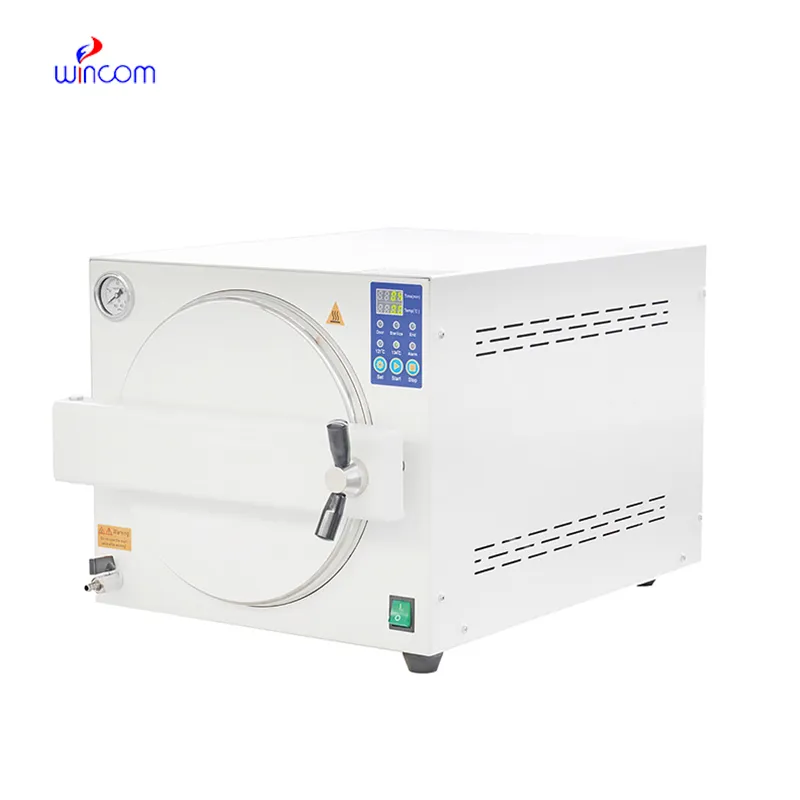
Intended for medical professionals, hospital patient monitoring provides ECG monitoring without interruption in addition to the most important physiological parameters. Continuous data collection is facilitated by the device which allows doctors to keep orderly tracking of the patient condition. Its use in hospital labs and clinical departments not only strengthens correct monitoring but also provides smooth patient care processes.
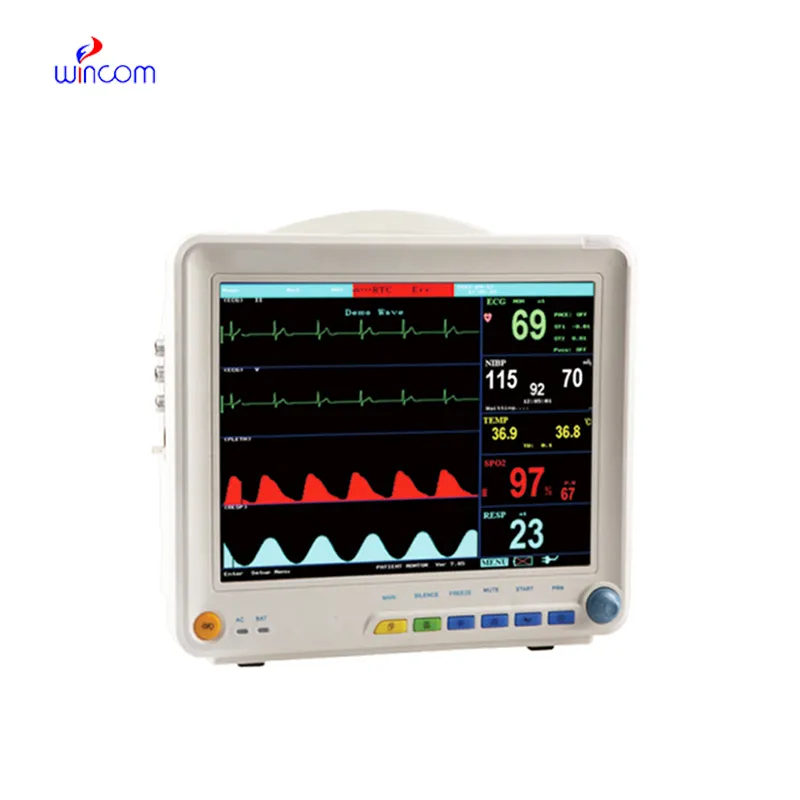
Post-anesthesia care units utilize hospital patient monitoring for monitoring purposes of patients coming back from surgery. ECG data and vital signs are constantly monitored as patients gradually become stable. The application facilitates a secure move from anesthesia to routine care with still constant observation. Medical team depends on the continuous monitoring to know the recovery progress in the areas of the hospital meant for recovery.
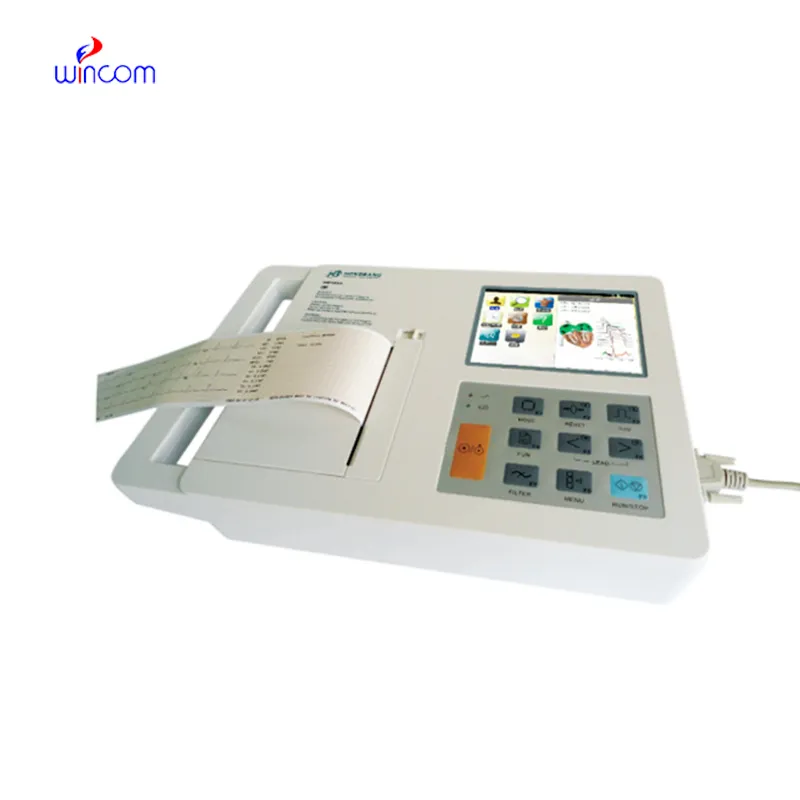
The future of hospital patient monitoring will be characterized by better data security and traceability features. The secure storage and limited access to ECG records will aid in compliance with regulations and the protection of patient data. Such advancements will support the credibility of digital monitoring systems in hospitals and clinical laboratories.
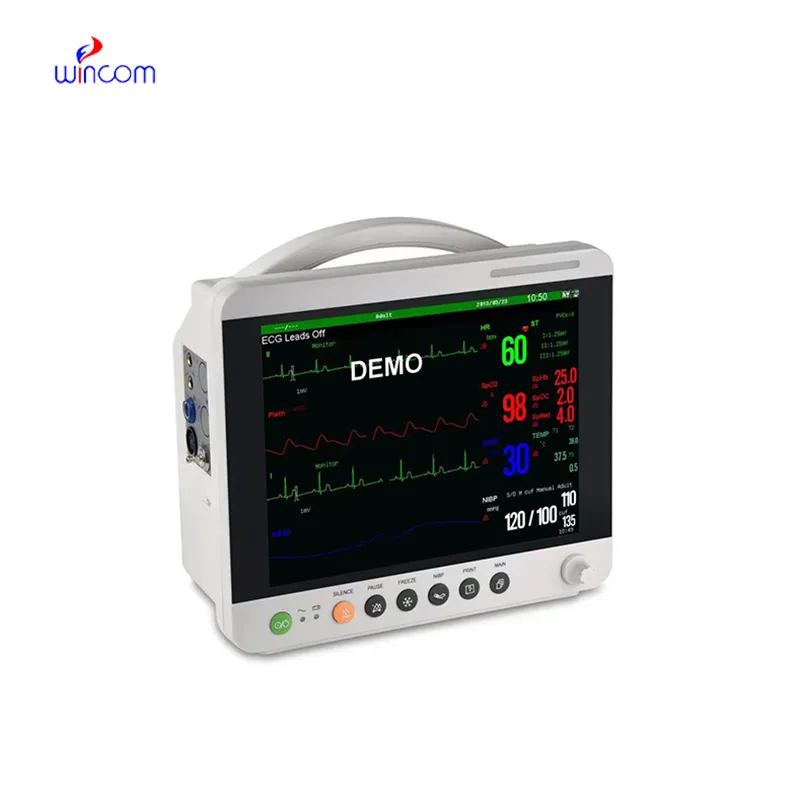
To keep the hospital environment sterile, it is a must to clean regularly the hospital patient monitoring components like display surfaces, touchscreens, and ECG cables. The filtering systems, vents, and connectors need to be checked to avoid dust buildup. Regular performance tests are helpful in revealing drift or irregularity in monitoring parameters. By following the preventive maintenance schedules, the hospital personnel are making sure that hospital patient monitoring is giving accurate and continuous monitoring, thus, allowing patient safety in both normal and critical care situations.
hospital patient monitoring finds its way in the neonatal and pediatric care units where accurate monitoring is necessary. ECG measurement helps doctors in keeping an eye on the fragile heartbeats of the little ones. Reliable signal acquisition allows continuous observation without any break. Its use not only boosts the trust in monitoring but also facilitates patient safety in the specialized hospital sectors.
Q: What are the different kinds of signals that a Patient Monitor & ECG can identify? A: It identifies electrical cardiac signals, heart rate, arrhythmias, and often additional vital signs. Q: In what way does a Patient Monitor & ECG facilitate surgical interventions? A: It guarantees uninterrupted monitoring of the heart's activity during anesthesia and surgery. Q: Should one undergo training in order to use the Patient Monitor & ECG device? A: A very basic training course will make sure the ECG waveforms are interpreted correctly and the device is handled well. Q: Is there a possibility to connect it with hospital information systems? A: Yes, quite a number of models provide the possibility of connecting for the purpose of centralized data monitoring and analysis. Q: What is the maximum duration for which a Patient Monitor & ECG can be used without stopping? A: Generally, the manufacturers of the most devices design them to be used for the long term with the right maintenance and power management.
The water bath performs consistently and maintains a stable temperature even during long experiments. It’s reliable and easy to operate.
I’ve used several microscopes before, but this one stands out for its sturdy design and smooth magnification control.
To protect the privacy of our buyers, only public service email domains like Gmail, Yahoo, and MSN will be displayed. Additionally, only a limited portion of the inquiry content will be shown.
We’re currently sourcing an ultrasound scanner for hospital use. Please send product specification...
We’re looking for a reliable centrifuge for clinical testing. Can you share the technical specific...
E-mail: [email protected]
Tel: +86-731-84176622
+86-731-84136655
Address: Rm.1507,Xinsancheng Plaza. No.58, Renmin Road(E),Changsha,Hunan,China


 EN
 af
 es
 ar
 tr
 sw
 pt
 th
 ur
 bn
 ne
 vi
 km
 lo
 de
 ru
 fi
 nl
 fa
 fr
 ko